Latinský nápis
Mariánský sloup na Staroměstském náměstí není jen duchovním symbolem a historickým monumentem, ale také mimořádným technickým a uměleckým dílem. Jeho podoba, materiál i konstrukce odrážejí jak barokní estetiku poloviny 17. století, tak moderní požadavky na obnovu památky v náročných podmínkách pražského klimatu. Základní poselství sloupu je vyjádřeno už v latinském nápisu na podstavci: Paně Rodičce bez poskvrny prvotní počaté za obhájení a osvobození města zbožný a spravedlivý císař tuto sochu postavil. Tento text jasně ukazuje, že sloup byl postaven jako památník vítězství pražských měšťanů nad třemi švédskými armádami. Součet velkých písmen, které představují římské číslice, uvádí letopočet postavení sloupu.
M + 5 × C + 2 × L + 7 × V + 15 × I = 1000 + 5 × 100 + 2 × 50 + 7 × 5 + 15 × 1 = 1000 + 500 + 100 + 35 + 15 = 1650
Mariánský sloup je také významný z hlediska dějin umění. Jedná se o první mariánský sloup v Čechách a zároveň o dílo s jedněmi z nejstarších barokních soch na našem území. Jejich autor, Jan Jiří Bendl, sehrál klíčovou roli v přenosu barokního stylu do českého prostředí. Zatímco v Itálii a jižním Německu se barokní sochařství opíralo o mramor, Bendl musel pracovat s českým pískovcem, který světlo neodráží tak jako mramor. Aby dosáhl barokní dramatičnosti, musel vyvinout speciální techniku modelace povrchu, která vytváří kontrast světla a stínu i na méně lesklém materiálu. Tím položil základy českého barokního sochařství.
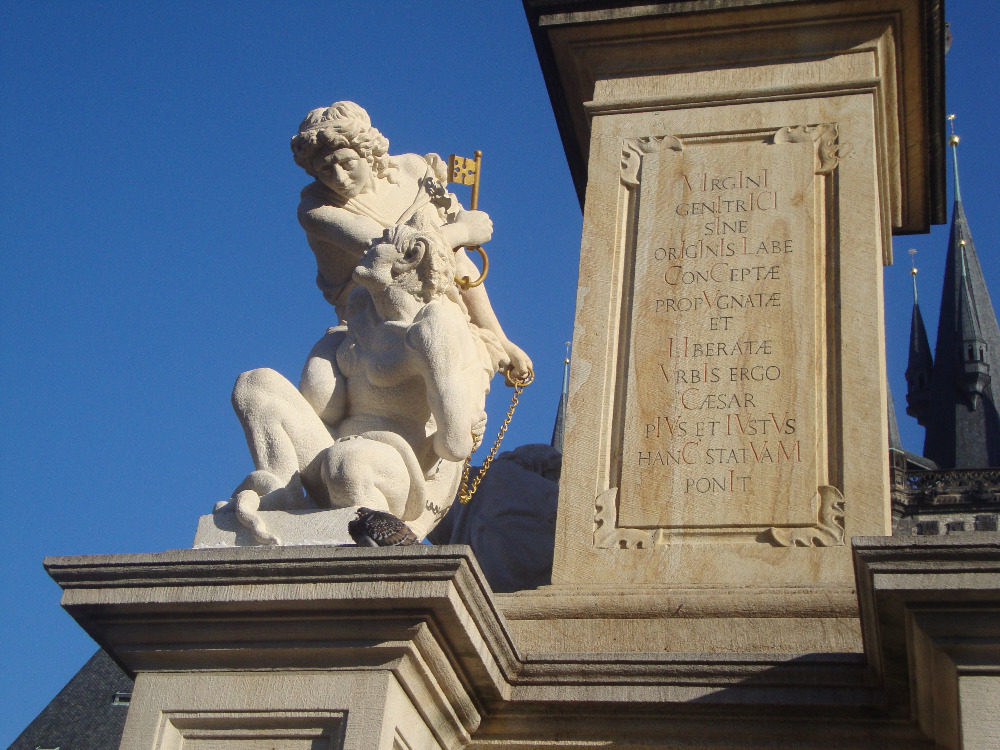
Celková výška sloupu i s vrcholovou sochou je 15,83 metru. Jednotlivé části nejsou sesazeny pevně, ale jsou mezi nimi umístěny olověné plechy. Kdyby tomu tak nebylo, silný vítr by tak tuhou stavbu dokázal rozlámat. Výkyv horní sochy je až 20 cm. Hmotnost celého díla je přibližně 130 tun. Sloup stojí na původních kamenných základech ze 17. století o rozměrech cca 7,8 × 7,8 metru, které jsou však hluboko pod současnou úrovní náměstí, protože ta se od té doby zvýšila. Jsou tvořeny převážně z lomové opuky doplněné křemenci, říčními valouny, cihlami, další dobovou stavební sutí a vše je spojeno vápennou maltou. Nad původním základem proto Stavitelství Řehoř odlilo nový základový blok z armovaného betonu C30/37 XF3. Originální kusy ze 17. století byly vyrobeny z pískovce z okolí Kamenných Žerhovic. Tyto kameny nahradil pískovec z Božanova. Šestimetrový, dvaadvacetitunový dřík s korintskou hlavicí a patkou je vyroben z kvarcitu dopraveného až z indické oblasti Džajpuru. Sokl je zhotoven z kamene Pietra Dorata z italského města Vitorchiano. Sloupy a stropní deska posvátného prostoru jsou ze statických důvodů vyrobeny z mrákotínské žuly.
Kopie originální sochy vzniká postupem, který začíná sejmutím přesné silikonové formy z lukoprenu, jenž zachytí každý detail povrchu. Z této formy se vytvoří sádrový model, který slouží jako základ pro doplnění chybějících částí podle dochovaných děl stejného autora a podle historických fotografií. Po domodelování vznikne kompletní podoba sochy, kterou sochař následně přenese do kamene pomocí tečkování, tedy přesného měření a určování bodů na sádrovém modelu a jejich převádění na kamenný blok. Tímto způsobem vznikne věrná kamenná kopie, která odpovídá originálu v proporcích, objemu i charakteru detailu. Sochu Panny Marie dodělával akademický sochař Petr Váňa jeden měsíc v pronajatém restaurátorském ateliéru přímo v budově lapidária, aby měl její originál přímo v bezprostřední blízkosti jako předlohu.
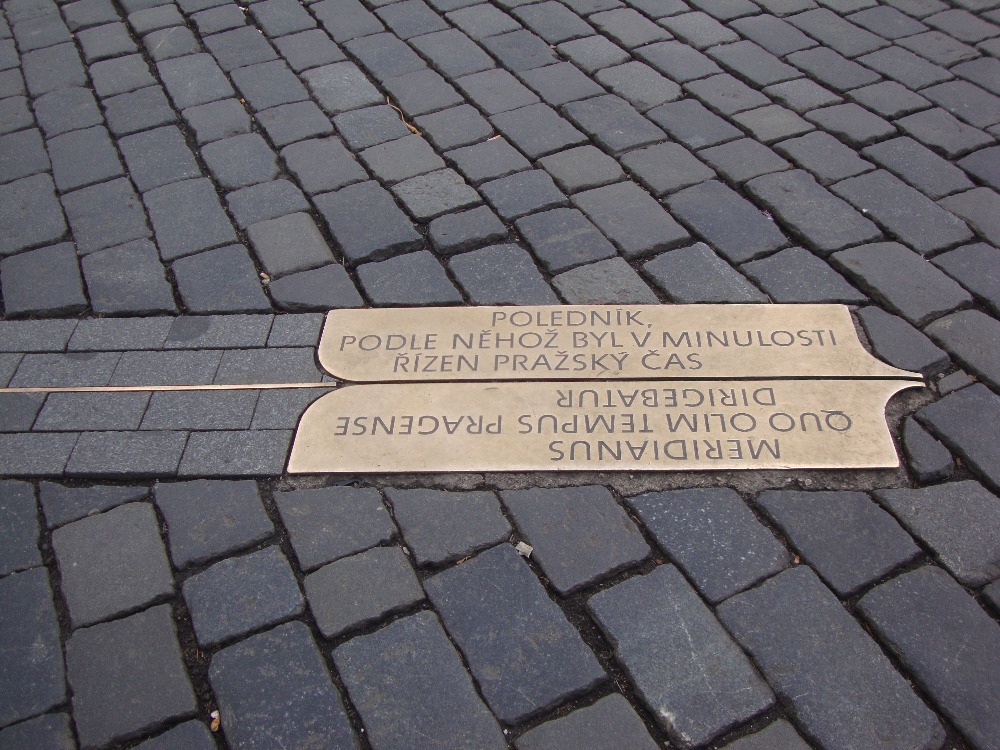
Sloup však měl i praktickou funkci. Jeho osa určovala pražský místní poledník. Ve dlažbě Staroměstského náměstí je dodnes vyznačena jeho linie. Stín sloupu je v pravé poledne nejkratší a směřuje přesně k severu. Podle toho se seřizoval Staroměstský orloj. Později se přesný čas měřil v Klementinu pomocí štěrbinových slunečních hodin. V pravé poledne dal muž z věže Klementina znamení bíločerveným praporem a dělostřelci z hradní bašty číslo XIX vystřelili z kanonu. Po nástupu železnice a telegrafu se pražský čas stal jednotným časovým standardem pro celé Předlitavsko. Sloup byl rovněž výchozím bodem, od něhož se v Českém království měřily vzdálenosti. Obnova sloupu tak vrátila náměstí nejen jeho barokní dominantu, ale i historický astronomický a geodetický prvek.
Gloriola Panny Marie byla zhotovena tradičním postupem, zlacením v ohni, který je však velice nebezpečný. Metoda využívá schopnost rtuti rozpouštět zlato a vytvářet s ním pastu. Zlato se nejprve rozpustí v lučavce královské. Potom se z roztoku vysráží a následně smíchá se zahřátou rtutí. Tím vznikne stříbřitě bílý amalgám, který má konzistenci másla. Ten se natře na kovový předmět, který se následně zahřeje nad dřevěným uhlím. Rtuť se odpaří a na povrchu zůstane pevně přichycená vrstva čistého zlata. Při vypalování se však rtuť mění v neviditelný, smrtelně jedovatý plyn.
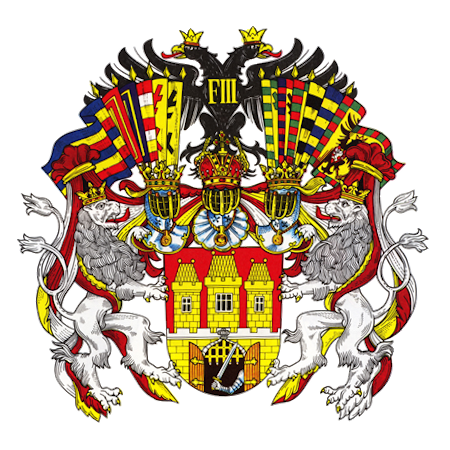
Vítězství nad Švédy patří k nejdůležitějším momentům pražské heraldiky. V roce 1649 dostalo Staré Město od Ferdinanda III. do znaku „ruku s mečem, která se chystá hájit otevřenou bránu proti vetřelcům“ a tucet praporů setnin (z latinského centum – sto), do nichž byli obyvatelé města při obraně rozděleni. Nad štítem přibyl říšský orel (dvojhlavá forma je v české heraldice označována jako orel, zatímco jednohlavá jako orlice), vyjadřující zvláštní císařskou ochranu. Původní klenot znaku s kolčí přilbu byl rozšířen zavedením tří turnajských přileb; prostřední z nich nesla císařskou korunu připomínající mimořádnou věrnost měšťanů, vojáků, studentů, členů židovské obce i duchovenstva. Lvi se stali skutečnými štítonoši celého znaku. Červené pole nabylo nového významu, protože začalo připomínat krev prolévanou při obraně. Takto upravený znak přešel roku 1784 beze změn na celou Prahu a de iure existoval až do vzniku Velké Prahy v roce 1927, fakticky však jen do roku 1918.
Městu bylo potvrzeno právo užívat titul Civitas Fidelissima (nejvěrnější město) a zároveň byly potvrzeny městské svobody i právo na městskou hotovost. Za statečnost při obraně byly některým rodinám, stejně jako vybraným staroměstským měšťanům a důstojníkům císařské posádky, uděleny šlechtické nebo jiné čestné tituly, jak bylo tehdy obvyklé při oceňování mimořádných zásluh. Jejich užívání však bylo v roce 1918 zakázáno zákonem o zrušení šlechtictví, řádů a titulů.